We use cookies to make this site work. We'd also like to set optional cookies so we can understand how the site is used and improve it. We will not set optional cookies unless you accept them. You can change your choice at any time from the Cookie settings link in the footer.
Strictly necessary cookies
These cookies are required for the site to work. They store your cookie preferences and keep your session secure. They are exempt from consent under PECR Regulation 6(4) because they are essential to deliver the service you have requested.
Optional cookies
Optional cookies help us understand how the site is used and provide additional features such as analytics, accessibility tools and translation. We will only set them if you accept.

Meet Louise, one of our Care Navigators
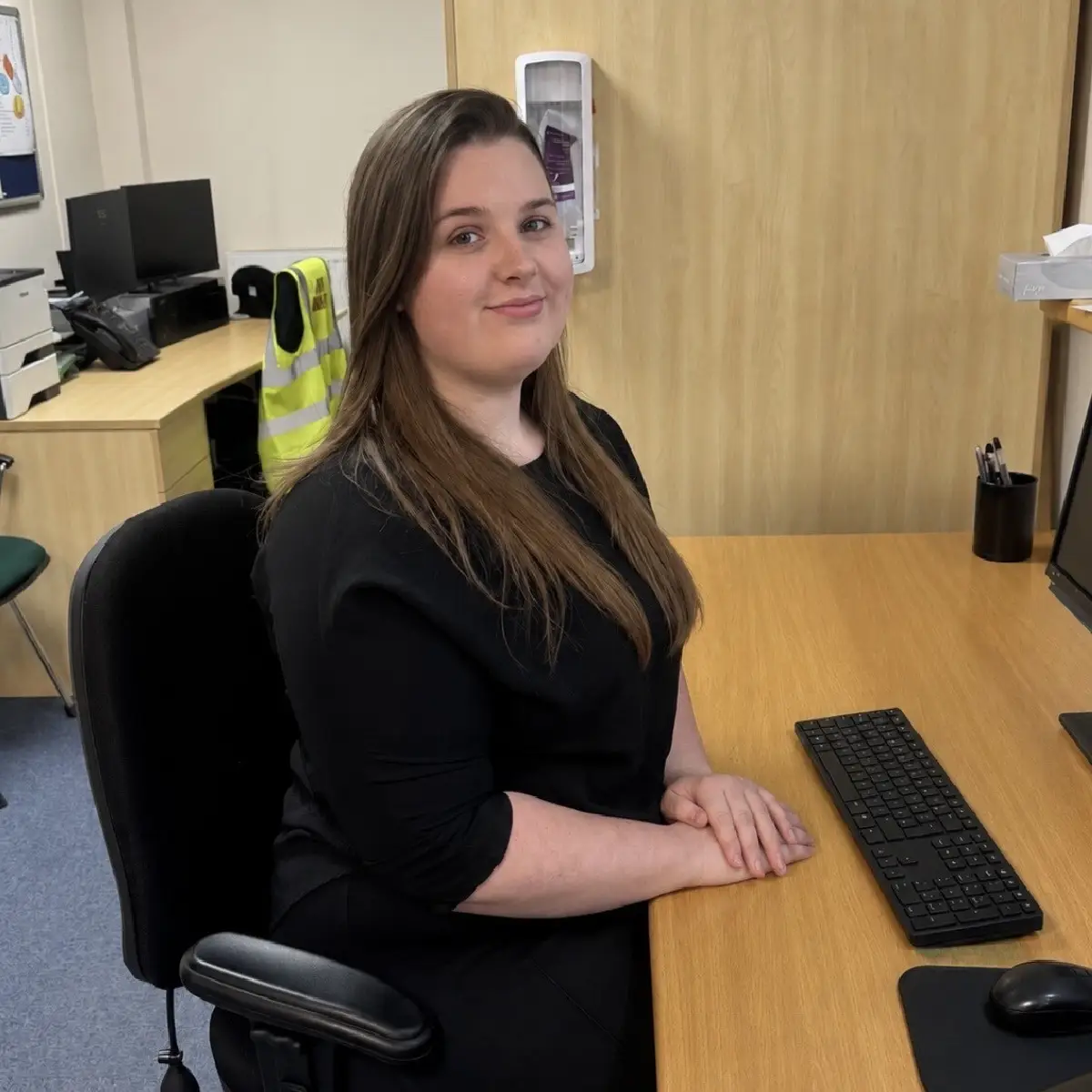
For Louise, no two days are ever quite the same.
As a Care Navigator, Louise plays an important role in helping patients move through the next steps after their request has been reviewed by our triaging GP. The GP decides what clinical support is needed, and Louise helps put that plan into action.
This might mean arranging an appointment, connecting the patient with another service, or taking the time to explain what will happen next if someone is unsure.
“My role is the link between our triaging GP and the patient,” Louise said. “Once our triaging GP has reviewed a patient’s request and decided what should happen, I help put that into action - whether that’s arranging an appointment or connecting them with the right service.”
Care Navigators are an important part of the wider general practice team. Across the NHS, care navigation is used to help patients be directed to the most appropriate healthcare professional or service for their needs.
Louise has also completed Care Navigator training, helping her understand how to guide patients safely and appropriately through the different options available at the practice.
The training supports her to understand the information patients provide, explain next steps clearly, and help patients understand why they may be offered an appointment with a GP, nurse, physiotherapist, pharmacist or another member of the wider healthcare team.
Louise’s day often starts early, before things get busy, checking which clinics are running and what appointments are available. It’s a busy environment, and once the day gets going, it quickly becomes fast-paced.
“From 8am, it’s all go,” she said. “I’m booking appointments with GPs, nurses and physiotherapists, arranging referrals and supporting patients with a wide range of requests.”
While every day is different, the one thing that stays the same is Louise’s focus on helping patients understand their next steps.
“Good communication makes a big difference,” Louise said. “It helps patients understand who you are, why you’re contacting them, and what will happen next.”
Louise knows that being friendly and approachable can make a real difference to a patient’s experience.
“Taking the time to listen and explain things clearly really helps,” she said. “It means patients know who they are speaking to, why we are getting in touch, and what the next step will be.”
Louise also helps patients understand the different ways they can contact the practice, whether that is online, by phone, or in person.
Some patients use the Anima self-service screen when they come into reception, and Louise is there to support them if they need help getting started.
“I spend time in reception helping patients use the Anima self-service screen,” Louise said. “I enjoy talking people through it and answering any questions, so they feel more comfortable and confident.”
Louise also uses the information patients provide to help keep things moving wherever possible.
She recently supported a patient who had explained they couldn’t take calls during the day. By using this information, Louise was able to send a message and arrange an appointment at a time that worked for them.
“It showed how useful it can be when patients tell us the best way to contact them,” she said. “It helps us understand what works for them and support their request in the most appropriate way.”
Moments like this are what Louise finds most rewarding.
“It’s rewarding when I can help patients get to the right next step,” she said.
Louise recognises the importance of the team around her.
“I work with people who genuinely care about patients,” she said. “Everyone from reception and admin to clinicians plays a part in helping patients get the support they need.”
For Louise, being a Care Navigator is about more than organising appointments. It’s about helping patients feel informed, supported and more confident about their care, even on busy days.
“I’m here to help where I can,” she said. “If you’re unsure about anything during your contact with the practice, please ask and I will do my best to explain the next step.”
Published: Jun 16, 2026